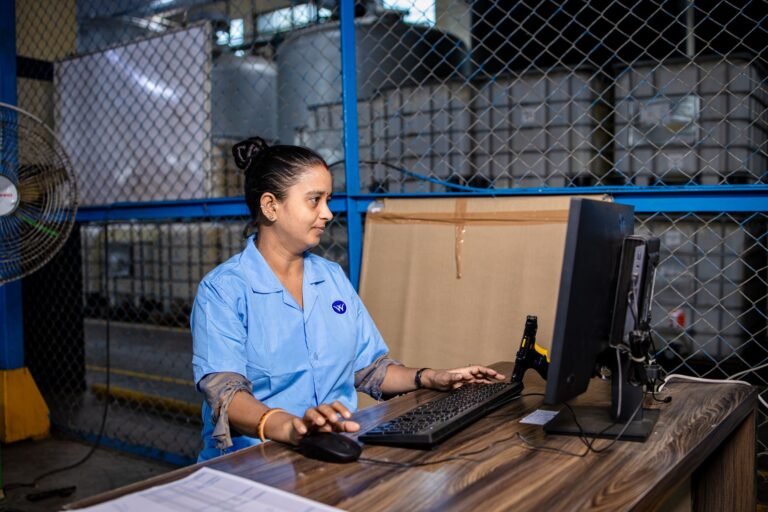

Australia’s contract catering sector employs more than 80,000 food-service workers across hospitals, mining camps, schools, and corporate precincts — yet most jobseekers have little idea what separates a Kitchen Hand at Compass Group Australia or Sodexo Australia from a kitchen hand at a local café. The daily realities, enterprise agreement entitlements, and genuine career pathways differ significantly from smaller operations. Understanding those differences can mean hundreds of extra dollars per week and a far clearer route to a trade-qualified cook role.
Compass Group Australia and Sodexo Australia are two of the largest food-service contractors on the continent. Compass Group, a subsidiary of the London-listed Compass Group PLC, operates thousands of sites ranging from offshore oil rigs to university dining halls. Sodexo Australia, part of the global Sodexo SE group headquartered in Paris, concentrates heavily on remote mining villages, defence facilities, and aged-care precincts. Both employers operate under the Hospitality Industry (General) Award 2020, commonly abbreviated to HIGA, which Fair Work Australia administers and updates annually.
Because these companies win large government and corporate contracts, they tend to offer more structured rostering, consistent hours, and formal induction training than independent restaurants. Furthermore, the sheer volume of meals produced — a single Compass Group mining-camp kitchen may serve 3,000 covers per day — means kitchen hands develop speed, food-safety discipline, and equipment familiarity far faster than in smaller venues. However, the trade-off is that the work environment is industrial in scale, which demands both physical stamina and a willingness to follow standardised procedures precisely.
In addition, both companies maintain dedicated workforce-development teams. Consequently, motivated kitchen hands who demonstrate reliability and a desire to learn often find themselves sponsored into Certificate III in Commercial Cookery within twelve to eighteen months. That pathway is not accidental; it is a deliberate workforce-planning strategy designed to reduce recruitment costs and retain talent in remote or high-turnover sites. The sections below break down exactly what the role involves, what you will be paid, and how to navigate the progression ladder effectively.
In this article:
Daily Duties and Work Environment for a Kitchen Hand at Compass Group Australia or Sodexo Australia
Core Tasks You Will Perform Every Shift
A kitchen hand’s duties are more varied than the job title implies. On a typical shift at a Compass Group corporate dining facility or a Sodexo remote-village kitchen, you will move through several distinct task zones throughout the day. Understanding each zone helps you prepare physically and mentally before your first day.
-
- Warewashing and sanitation: Operating commercial dishwashers, scrubbing pots, and sanitising benches to HACCP standards.
-
- Mise en place support: Peeling, chopping, and portioning vegetables and proteins under a cook’s direction.
-
- Stock rotation: Receiving deliveries, date-labelling items, and rotating refrigerated stock using the FIFO (first in, first out) method.
-
- Waste management: Sorting organic, recyclable, and landfill waste streams in compliance with site environmental policies.
-
- Service support: Replenishing bain-maries, buffet lines, or cafeteria displays during peak meal periods.
-
- End-of-day deep cleaning: Dismantling and cleaning equipment such as slicers, fryers, and combi-ovens according to manufacturer schedules.
Physical and Environmental Demands
The physical demands are genuine. Most sites require continuous standing for five to eight hours, frequent lifting of up to 20 kilograms, and sustained work in hot, humid conditions near commercial cooking equipment. Remote mining-village sites operated by Sodexo Australia may also require a period of fly-in, fly-out (FIFO) rostering, typically on a two-weeks-on, one-week-off rotation. Therefore, candidates should honestly assess their tolerance for roster-based living away from family before accepting a remote posting.
Food Safety Obligations
Both employers mandate that kitchen hands hold a current Food Handler certificate prior to commencing work, or obtain one during a paid induction period. Furthermore, Compass Group Australia requires compliance with its proprietary Compass Safety Management System, while Sodexo Australia applies its global Sodexo Quality, Safety and Environment framework. In practice, both systems translate to mandatory temperature logging, allergen-awareness protocols, and regular hand-hygiene audits. Failure to comply can result in immediate site exclusion, so taking these requirements seriously is essential from day one.
Award Rates and Entitlements Under HIGA 2026
Base Pay Classification
Under the Hospitality Industry (General) Award 2020, kitchen hands are classified at Level 1 for the first three months and progress to Level 2 upon demonstrating competency in at least three core task areas. The Fair Work Commission’s Annual Wage Review, which took effect on 1 July 2025, set the national minimum wage at $24.10 per hour. The HIGA Level 1 rate sits modestly above that floor, while Level 2 attracts a further percentage increase. Both Compass Group Australia and Sodexo Australia have negotiated enterprise agreements at several sites that pay above the award, particularly at remote FIFO locations.
| Classification | HIGA Base Rate (2026) | Typical Compass/Sodexo Remote Loading | Estimated Total Hourly Rate |
|---|---|---|---|
| Kitchen Hand – Level 1 | ~$25.20/hr | 15–25% | ~$28.98–$31.50/hr |
| Kitchen Hand – Level 2 | ~$26.10/hr | 15–25% | ~$30.02–$32.63/hr |
| Cook – Grade 1 (post-progression) | ~$28.40/hr | 15–25% | ~$32.66–$35.50/hr |
Note: Rates above are indicative estimates based on HIGA 2020 pay scale structures and publicly disclosed enterprise agreement loadings. Always verify current rates directly with the employer or Fair Work Ombudsman.
Penalty Rates and Allowances
HIGA mandates penalty rates that significantly boost weekly earnings. Saturday work attracts 125% of the ordinary rate, Sunday work attracts 150%, and public holidays attract 250%. In addition, a split-shift allowance applies whenever a kitchen hand’s shift is broken by a non-paid break of more than one hour. Remote site workers at Sodexo Australia FIFO camps often also receive a remote area allowance and free on-site accommodation and meals, which effectively increases their total remuneration package well beyond the hourly rate alone.
Leave Entitlements
Full-time kitchen hands accrue four weeks of paid annual leave per year under the National Employment Standards. Shift workers who regularly work Sundays and public holidays may be entitled to five weeks. Furthermore, personal and carer’s leave accrues at ten days per year, and compassionate leave is available for qualifying family emergencies. Casual kitchen hands — a common engagement type at corporate dining sites — receive a 25% casual loading in lieu of these leave entitlements but do not accrue paid leave balances.
“We invest heavily in developing our frontline food-service staff because we know that a well-trained kitchen hand today is often our most reliable cook or supervisor in three years’ time.” — Compass Group Australia, Workforce Development Report excerpt, published in the company’s 2025 Sustainability Report.
Path to Cook: Training and Progression
Formal Qualification Pathways
The most direct route from kitchen hand to cook at both Compass Group Australia and Sodexo Australia runs through the Certificate III in Commercial Cookery (SIT30821), a nationally recognised qualification on the Australian Qualifications Framework. Both employers partner with registered training organisations (RTOs) to deliver this qualification via a school-based or workplace-based traineeship model. Consequently, motivated kitchen hands can study while continuing to earn a full wage, with the employer often subsidising or fully covering course fees under state government Skills First or Jobs and Skills WA funding programs.
Internal Competency Milestones
Before sponsoring a kitchen hand into formal training, both companies typically require the employee to demonstrate internal competency milestones. These vary by site but generally include:
-
- Completion of the employer’s food-safety induction with a passing score.
-
- Consistent Level 2 performance review ratings across two consecutive quarterly assessments.
-
- A demonstrated ability to work unsupervised across at least four of the six core kitchen-hand task zones listed above.
-
- A current First Aid certificate (HLTAID011), which both employers prefer but do not always mandate at entry level.
Timeframes and Realistic Expectations
Realistically, the transition from kitchen hand to Cook Grade 1 takes between twelve and thirty-six months, depending on site size, the employee’s prior experience, and the availability of internal vacancies. Remote FIFO sites tend to move faster because turnover is higher and operational demand is constant. Corporate dining sites in major cities move more slowly because competition for cook positions is greater and training capacity is more limited. However, employees who proactively seek mentorship from the head chef and volunteer for additional cooking tasks during quieter service periods consistently advance more quickly than those who wait for opportunities to come to them.
Other Career Branches
It is also worth noting that the kitchen hand role is not the only entry point for individuals exploring contract catering careers. If you are considering adjacent roles in support services or care environments, resources such as the https://au.fredapps.com/jobs-near-me/apply-for-caregiver-jobs/ platform provide useful context on how to apply for caregiver positions, which often intersect with food-service responsibilities in aged-care or disability-support settings. Similarly, if you are weighing up large corporate employers more broadly, the detailed breakdown at https://au.fredapps.com/best-companies-to-work-for/want-to-work-at-amazon-heres-how/ illustrates how structured recruitment processes at major corporations work, which translates well to understanding Compass Group’s and Sodexo’s multi-stage hiring funnels.
Comparing Compass Group and Sodexo as Employers
Organisational Culture and Site Diversity
Compass Group Australia operates under several branded divisions, including Eurest (corporate catering), Medirest (healthcare), and ESS (remote and defence). This divisional structure means that a kitchen hand hired under the Compass Group umbrella may work within a very different culture depending on which business unit manages their site. Sodexo Australia, by contrast, presents a more unified operational identity across its sites, with a stronger emphasis on integrated facility management services alongside food delivery.
Roster Structures and Work-Life Balance
Corporate dining sites under both employers typically offer Monday-to-Friday rosters aligned with the client’s business hours, making them attractive to workers who prioritise weekend availability for family or study. Remote and defence sites, however, operate 365 days per year and require FIFO or DIDO (drive in, drive out) participation. Therefore, candidates should clarify the roster structure during the interview process before accepting an offer, as conditions vary enormously between contracts.
Application Process and What Recruiters Look For
Both employers use applicant tracking systems that screen for specific keywords in resumes. Including terms such as HACCP compliance, commercial dishwasher operation, food-safety certificate, and high-volume food production significantly improves the likelihood of progressing past the automated screening stage. Furthermore, both companies conduct reference checks that focus specifically on punctuality, ability to follow instructions under pressure, and personal hygiene standards — not cooking skill, because kitchen hands are not expected to cook independently at the point of hire.
Final Considerations Before Applying
A kitchen hand position at Compass Group Australia or Sodexo Australia is genuinely one of the most accessible entry points into a professional food-service career on the Australian market in 2026. The combination of above-award pay at remote sites, structured career development, nationally recognised training support, and the breadth of operational experience gained across large-scale production kitchens creates a foundation that smaller hospitality employers simply cannot match. However, success in these roles demands physical resilience, a non-negotiable commitment to food-safety compliance, and the proactive attitude necessary to convert a starting position into a meaningful culinary career. Candidates who enter with those qualities will find both organisations genuinely rewarding places to build long-term professional lives.